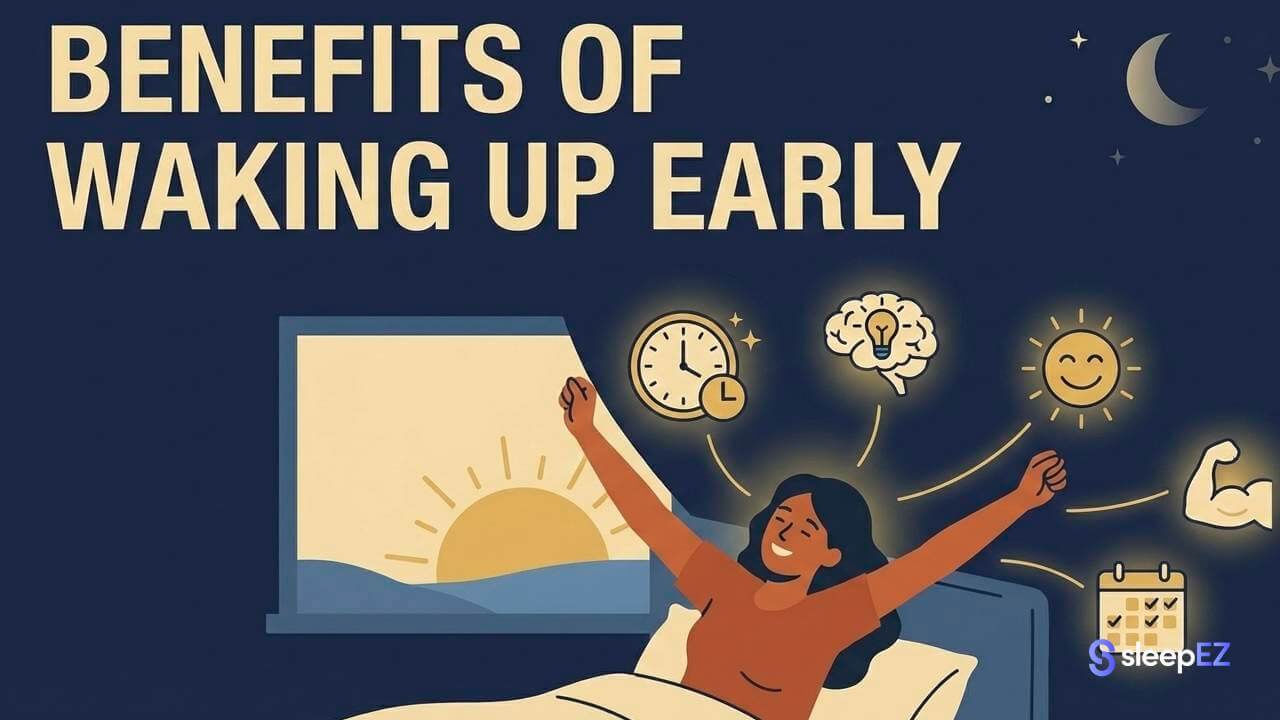
The benefits of waking up early go far beyond just having extra time. Early risers experience better mental health, higher productivity, and improved physical wellness.
The world at 5 AM is different. It's quiet. It's yours. It's the secret weapon of CEOs and athletes who understand the true benefits of waking up early.
But here's the truth most people miss: waking up early isn't about setting an alarm. It's about going to sleep early. If you don't master the night before, you will fail.
Your morning starts the night before. That's where the real work happens.
The Mental Health Benefits
1. Reduced Anxiety
Think about your typical rushed morning. You oversleep, skip breakfast, and race out the door. Your body floods with stress hormones before your day even begins.
Waking up early eliminates this cortisol spike. You have time to breathe, plan, and ease into your day. No panic, no chaos.
The difference is profound. You start calm instead of frantic.
2. Lower Risk of Depression
Research from the University of Colorado Boulder and Harvard Medical School examined over 840,000 people. Their findings were clear: waking up just one hour earlier reduces major depression risk by 23%.
That's not a small number. One hour can change your mental health trajectory.
The reason? Early risers get more natural light exposure during the day. This strengthens your circadian rhythm and improves mood regulation.
3. Sacred Solitude
Early morning is the only time with zero demands from others. No emails, no calls, no interruptions.
This "me time" matters more than most people realize. You can think clearly without external pressure. You can process your thoughts without someone needing something from you.
It's not selfish. It's survival.
The Productivity Benefits
4. Deep Work Window
Your brain is freshest right after sleep. This is when you can tackle complex problems and creative work.
At 6 AM, nobody is sending you Slack messages. Your inbox is quiet. You can focus for two solid hours before the world wakes up.
Those two hours often accomplish more than the rest of your day combined.
5. Proactive vs. Reactive
When you wake up late, you spend the day reacting to problems. Your calendar controls you.
When you wake up early, you plan your day before it plans you. You set priorities instead of just surviving the chaos.
This shift changes everything. You become the author of your day, not a character in someone else's story.
6. Better Commute
Leaving early means less traffic. You arrive at work calm instead of road-raged.
This sounds minor, but stress compounds. Starting your workday frustrated affects every interaction and decision that follows.
Beat the rush, save your energy.
The Physical Benefits
7. Consistent Circadian Rhythm
Your body runs on an internal clock. When you wake and sleep at the same time daily, this clock stays calibrated.
National Institutes of Health research shows that circadian rhythm disruption leads to mood disorders and health problems. Light exposure timing directly controls this system.
Aligning with the sun improves hormone regulation, sleep quality, and overall health. Your body was built to follow this pattern.
8. Healthier Breakfast
Early risers have time to eat properly. Late risers grab whatever is fast and convenient.
This pattern matters over months and years. Consistent good nutrition starts with having the time to prepare it.
You can't rush health.
9. Better Skin
Beauty sleep is real. The deepest, most restorative sleep happens in the earlier cycles of your night.
When you go to bed early, you get more of this deep sleep. Your body repairs skin cells, produces collagen, and reduces inflammation.
Late sleepers miss these critical hours. It shows on their face.
10. Exercise Consistency
Clinical trials indexed by the NIH confirm that people who exercise in the morning stick with it longer. Evening workouts get cancelled due to work stress, social plans, or fatigue.
Morning workouts happen before life interferes. You complete them when your willpower is strongest.
Consistency beats intensity. Early exercise wins.
Can Night Owls Become Early Risers?
You might think you're genetically programmed to stay up late. There's truth to that. Chronotypes (your natural sleep preference) are partly genetic.
But research shows you can shift your rhythm by controlling light exposure. You're not locked into being a night owl forever.
The key is understanding what actually makes you sleepy: darkness. When your eyes stop seeing light, your brain produces melatonin. That's your natural sleep signal.
Night owls struggle because they get light exposure too late in the day. This delays their melatonin production and shifts everything backwards.
You can reverse this. Block light earlier, get bright light exposure earlier. Your body will adjust within weeks.
The Strategy: How to Wake Up Early
Here's what nobody tells you: you cannot force yourself awake if you didn't force yourself asleep.
You need an "artificial sunset" to trick your body into thinking it's bedtime at 9 PM. This requires manipulating your environment.
Hack #1: The Blackout Signal
It's often still light outside at 9 PM, especially in summer. Your body won't produce melatonin while it sees light.
If you need to sleep at 9 PM to join the 5 AM club, you must block the light. A contoured sleep mask becomes your portable off switch. It tricks your brain into thinking it's midnight even when the sun is still out.
This works because your eyes have photoreceptors that detect light even through closed eyelids. A quality mask creates complete darkness on command.
Hack #2: The Audio Shield
The world doesn't stop just because you want to sleep early. Cars drive by, neighbors watch TV, family members stay awake.
Background noise keeps your brain alert. You need to mask these sounds with consistent, calming audio.
A sound machine creates a protective bubble of pink noise. This drowns out the evening chaos without being jarring. Your brain learns to associate this sound with sleep.
Pink noise is better than white noise because it has less high frequency. It sounds more natural, like rain or wind.
Hack #3: The Sensory Lock
Even with a sound machine, unexpected noises can wake you during that critical first hour of sleep (9 PM to 10 PM).
A car horn, a dog barking, a door slamming. Any of these can jolt you awake when your sleep is still shallow.
Earplugs provide total isolation during this transition. Once you're in deep sleep after 10 PM, you're less vulnerable. But that first hour needs protection.
Combine earplugs with your sound machine for double defense. Block the noise and mask what gets through.
Your 9 PM Checklist
Waking up at 5 AM starts with your 9 PM routine:
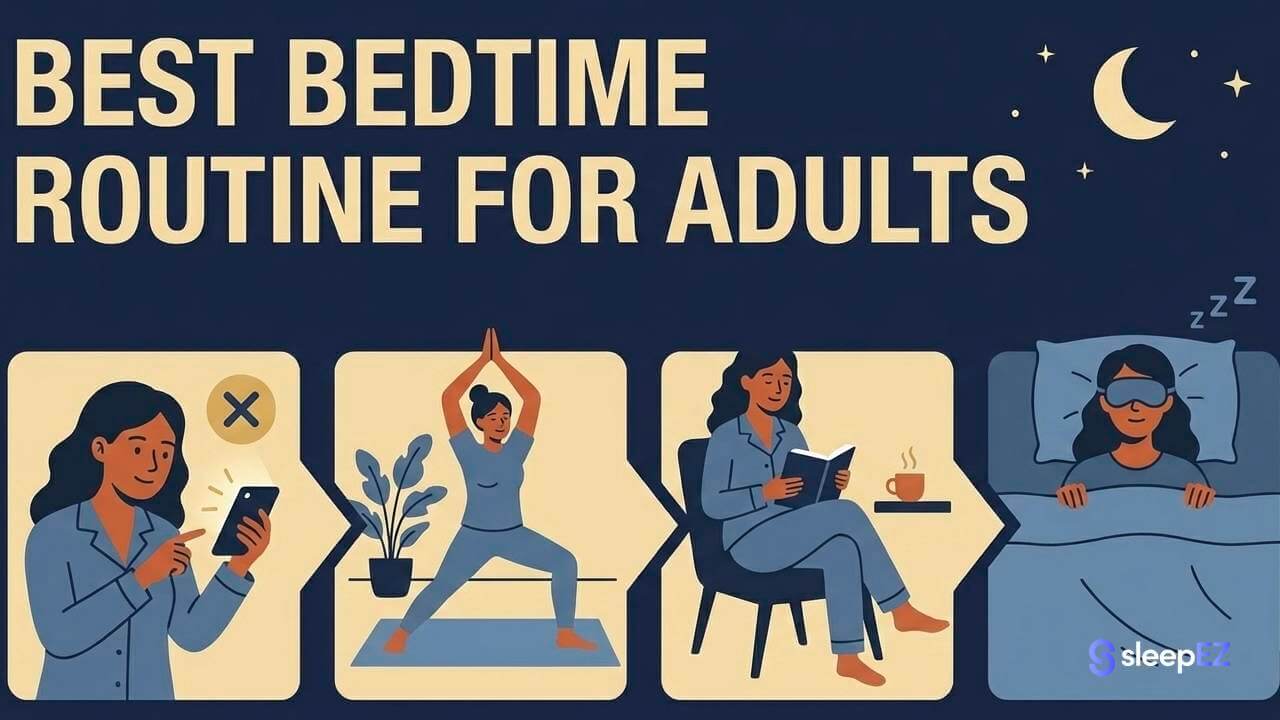
8:30 PM - Dim all lights in your home. Start your wind-down.
8:45 PM - Turn on your sound machine. Let the pink noise fill your room.
9:00 PM - Put in your earplugs. Put on your sleep mask. Get in bed.
Your body will resist at first. You won't feel tired at 9 PM initially. Do it anyway.
After one week, your melatonin production will start shifting earlier. After two weeks, 9 PM will feel natural. After three weeks, you'll wake at 5 AM without an alarm.
Top 5 Reasons to Wake Up Early
- Mental clarity: 23% lower risk of depression with earlier wake times
- Deep focus: Distraction free work hours before the world wakes up
- Less stress: No rushed mornings flooding your body with cortisol
- Better sleep quality: Consistent circadian rhythm improves restorative sleep
- Healthy habits: More time for proper breakfast and morning exercise
The Bottom Line
Don't just set an alarm for 5 AM. Set a routine for 9 PM.
Build the environment that makes waking up early automatic. Block the light, mask the noise, protect your transition to sleep.
Your morning transformation happens at night. Start there, and 5 AM becomes easy.
The world at dawn is waiting. It's quieter, calmer, and completely yours. You just have to show up for it.

Leave a comment
This site is protected by hCaptcha and the hCaptcha Privacy Policy and Terms of Service apply.